


 Loading...
Synthesis
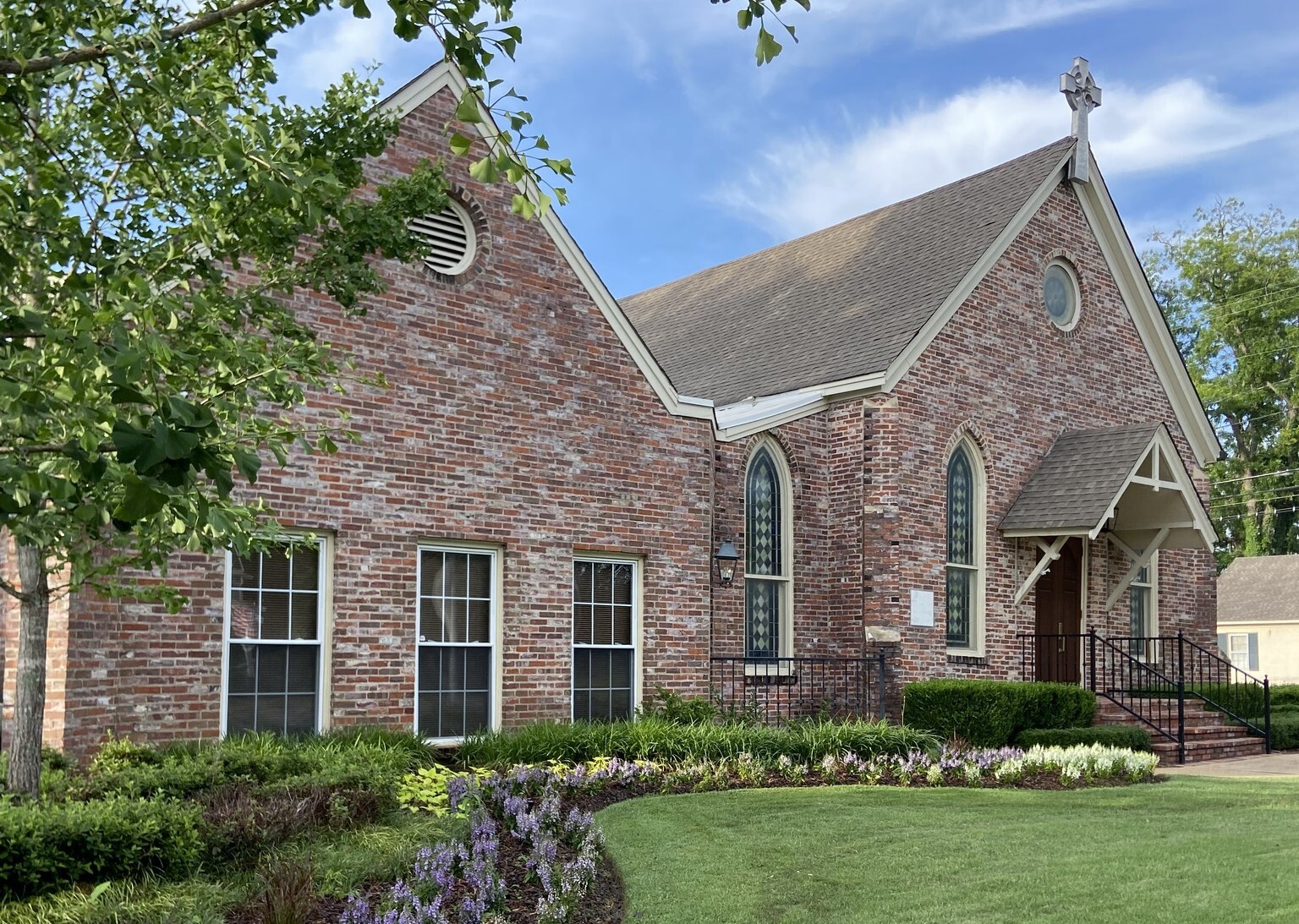
The Episcopal Church of the Incarnation communicates a single, consistent heartbeat across every page of its site: you are welcome here, and there is something here for you. From the homepage's warm greeting to the detailed formation curriculum, every resource points toward the same goal — inviting newcomers and spiritual seekers to step through the doors, experience liturgical worship grounded in the Book of Common Prayer, and find a genuine community of faith in West Point, Mississippi.
Worship and formation are inseparable at Incarnation. The Sunday morning schedule is not simply a sequence of events; it is a carefully ordered invitation. Adult formation at 9:15 AM feeds directly into the principal Holy Eucharist, so that learning and worship reinforce each other week after week. The four-unit Anglican Identity series and the Acts of the Apostles study guide are not stand-alone documents — they are tools for helping people understand why Episcopalians worship the way they do and what it means to belong to this tradition. Together, they serve both the long-tenured member and the first-time visitor who has never opened a prayer book.
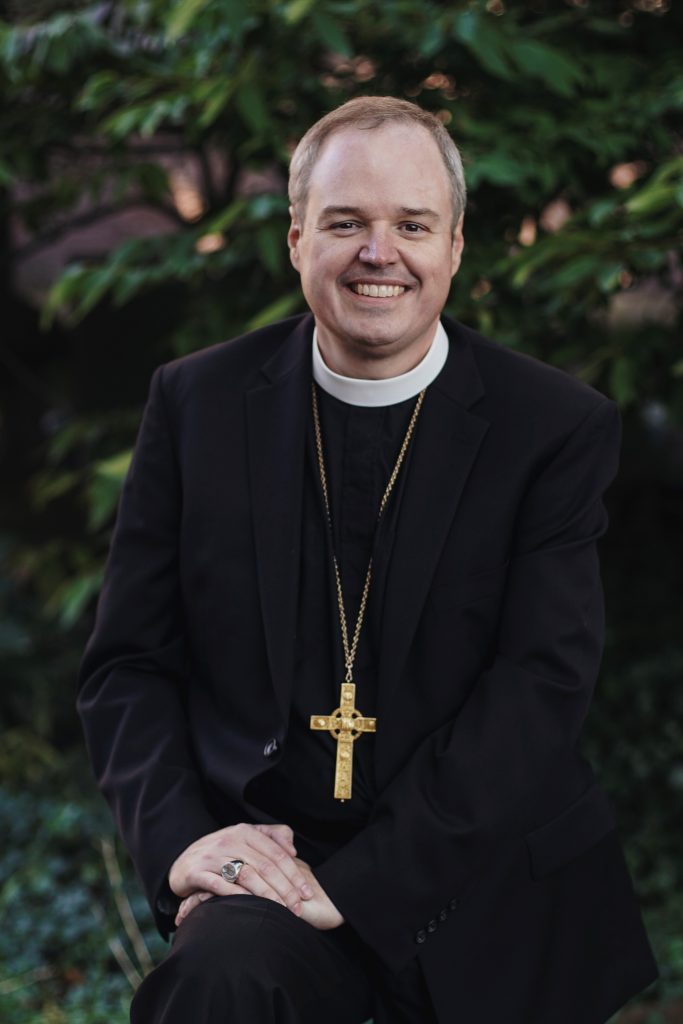
History grounds the community's sense of identity and resilience. Incarnation's 150-plus-year story — from a seven-member mission in 1870 to full parish status in 1999 — reminds both insiders and newcomers that this congregation has endured, adapted, and grown across generations. That history is not nostalgia; it is evidence of a living, persevering faith that welcomes the next chapter. The annual visitation of Bishop Dorothy Sanders Wells connects that local story to the broader Diocese of Mississippi and the wider Episcopal Church, reminding the parish that it is part of something larger than itself.
The site's priorities are clearly outward-facing. Content about service times, what to expect at a liturgy, children's formation, and pastoral welcome consistently ranks above internal governance or denominational debate. The rector, the formation programs, and the Bishop's visit all serve the same mission: grow the community by drawing people in, helping them feel at home, and giving them reasons — theological, relational, and practical — to return.